MALONDA - “Deutschungshoheit” (feat. Melane & Roger Rekless)
Am 13.12.2022, veröffentlichte MALONDA den Song “Deutschungshoheit”, in dem sie wütend und genau deutschen Rassismus und dessen Wurzeln zerlegt. Kleine verbale Aggressionen und Ignoranz werden genauso angegriffen wie die Polizei und das notorisch gute Gewissen weißer Deutscher. Zusammen mit ihren Featuregästen Roger Rekless und Melane hat MALONDA eine Hymne auf Schwarzen Widerstand aufgenommen.
Deutschland hat den Rassismus entdeckt. Mit Vorliebe den in anderen Ländern oder den aus vergangenen Tagen, den man sorgfältig bewältigt und katalogisiert hat. Das Privileg dieser Neuentdeckung haben nicht alle. Die ersten Zeilen von MALONDAs neuer Single zitieren die Weisheit ihrer Mama: …“when I was young my mama said: sie werden dich immer behandeln wie Dreck…”
Hören wollte MALONDA das lange nicht, wollte sich nicht ein- und der Gesellschaft nicht zugestehen, wie sehr deutscher Rassismus, mit seinen Wurzeln in Imperialkolonialismus und Gewaltherrschaft, auch ihr Selbstbild gebrochen hat. In Deutschland ist es fast unmöglich, dass nicht-weiße Menschen selbst ihre Identität definieren können, irgendwo steht immer eine ignorante deutsche Person, die es besser weiß. Denn sie hat die Deutschungshoheit.
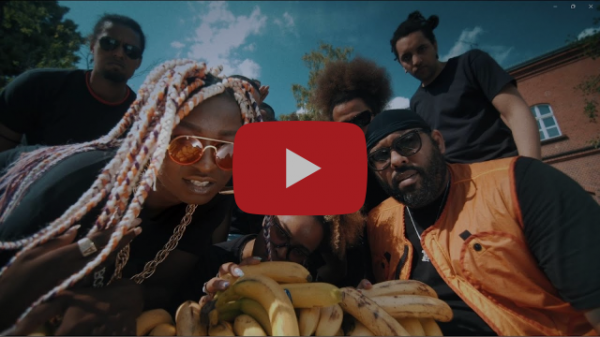
Auf ihrer neuen Single zieht MALONDA dagegen in den Kampf, unter dem Banner einer Molotow-Banane: gegen Rassismus und Klischees, aber auch gegen das notorisch gute Gewissen wohlmeinender weißer Deutscher, die Rassismus zum Problem von anderen machen und gar nicht glauben wollen, dass es in diesem Land Menschen gibt, die Angst um ihr Leben haben müssen.
MALONDA zerlegt dieses Phänomen nicht nur, zusammen mit ihren Featuregästen Roger Rekless und Melane beschwört sie Widerstand als Kampf im Innern und auf den Straßen. Das epische Musikvideo verwurzelt diesen Kampf an Berliner Schauplätzen Schwarzen Widerstands. In dieser Stadt begann inspiriert von Audre Lorde ein Prozess Schwarzer deutscher Selbstbestimmung, den MALONDA fortführt.
Der im Video gezeigte Konflikt mit der Polizei während des Drehs wegen des öffentlichen Transports von Bananen in einer Schubkarre while Black zeigt, dass nicht nur am Tag der Single-Veröffentlichung (13.12.) über die Rolle der Polizei im deutschen Rassismus zu sprechen ist, die das Leben von Schwarzen und afrodiasporischen Menschen in diesem Land prägt.
Schon wegen der Wut, des Sarkasmus und der Stilsicherheit ist “Deutschungshoheit” kein trockener Theoriepop. Gedanken und Gefühl sind bei MALONDA immer eins.
Der Song ist politische Autobiographie, mit Passagen in Lingala, der Sprache ihrer Mama. Im Video trägt sie ein Massaituch als Erinnerung an ihren Vater.
Auf ihrem Anfang 2023 erscheinenden Album “Mein Herz ist ein dunkler Kontinent” ist der Song das musikalische Finale, der alle anderen Lieder erklärt, gerade die vermeintlich unpolitischen über romantische Depression und traurige Liebe. Die tiefste toxische Beziehung in MALONDAs Leben ist die zu Deutschland: “ich möchte die Deutschen weinen sehen, so wie ich als Deutsche weinen musste”. Die richtigen Menschen werden zu diesem Song die Faust erheben, und die richtigen Menschen werden vor ihm Angst haben. Dass er neben allem anderen noch ein unbestreitbar mächtiger jam ist, das wird keine Seite leugnen können.
Achans Statement zum Song:
"Song und Video sind eine Auseinandersetzung mit dem Land, in dem ich geboren und aufgewachsen bin, das mich nicht will und so tut, als gäbe es mich nicht. Das Land, das mir eine Heimat sein sollte, aber es nicht ist.
Ich höre dabei in meinem Kopf die ignorante deutsche Person, die es besser weiß, die sagt, dass es nicht so schlimm ist, dass es nur Einzelfälle sind und die Polizei auf meiner Seite ist, dass ich spalte, wenn ich über race rede. Diese Person hat die Deutschungshoheit.
Diese Deutschen möchte ich weinen sehen, so wie ich als Schwarze Deutsche weinen muss.
Song und Video stehen am Ende eines langen Weges, einer langen Suche nach Identität und Community. Sie sollen ein Stück Schwarzer und afrodiasporischer Lebensrealität in diesem Land abbilden, aber nicht für den weißen Blick, sondern für uns selbst.
Die Arbeit am Song hat mir viel Empowerment und Gemeinschaft gegeben. Mein Bruder Benedict-François kam ins Studio und hat mir die Attitude beigebracht und getrommelt, Melane hat Vocals auf Lingala eingesungen, Roger Rekless ein Feature geliefert.
Das sind vier Kongoles*innen auf einem Track. Ich zeige mich zum ersten Mal als Deutsche mit kongolesischen und sudanesichen Wurzeln. Lingala ist die Sprache meiner Mama, das Massaituch eine Erinnerungen an meinen Vater.
Das Video von Rebecca Pokua Korang und Yatri N. Niehaus zeigt aber auch, was Schwarzen Menschen hier in Deutschland im öffentlichen Raum passieren kann, wenn wir einfach nur Quatsch machen und unsere Schwarzen, auch queeren Existenzen feiern.
Der gezeigte Konflikt wegen des öffentlichen Transports von Bananen in einer Schubkarre "while Black" ist nicht gestellt und beweist, dass nicht nur heute über die Rolle der Polizei im deutschem Rassismus zu sprechen ist, die unser Leben in diesem Land prägt.
Das Video ist in Berlin gedreht, an Schauplätzen Schwarzen Widerstands. Hier hat Joseph Bilé gewirkt, hier hat ein von Audre Lorde inspirierter Prozess Schwarzer deutscher Selbstbestimmung begonnen. Ich hoffe, dass der Song ein Teil dieser Geschichte ist."
Hier geht es zum Song;
https://www.youtube.com/watch?v=yp-Q2FRVwcY